
The Digital Transformation of Agriculture
Agriculture, one of humanity’s oldest industries, is undergoing a seismic shift. The global market for agricultural technology—commonly called AgTech—is expected to surpass $45.4 billion by 2030, growing at a compound annual growth rate (CAGR) of 10.2% from 2022, according to Grand View Research (2023). This transformation is driven by the convergence of climate change, labor shortages, and increasing demand for food by a population projected to reach 9.7 billion by 2050 (UN FAO, 2023).
Farmers are adopting technology not only to boost yields and efficiency but also to reduce environmental impact and optimize resources. From AI-powered sensors to satellite imaging, modern agriculture is now as much about data as it is about dirt.
Precision Farming: Where Every Pixel Counts
Precision agriculture uses real-time data to ensure that every square meter of land receives exactly what it needs—no more, no less. This method increases efficiency, lowers costs, and improves crop health.
Key precision tools include:
-
GPS-guided Tractors: Equipment such as John Deere’s AutoTrac system allows centimeter-level accuracy in planting and harvesting, reducing overlap and fuel use.
-
Variable Rate Technology (VRT): Machines adjust seed, fertilizer, and pesticide application in real time, based on soil and crop data.
-
Soil Sensors: Tools like the Arable Mark 3 gather soil moisture, temperature, and fertility levels, enabling micro-level decisions.
According to McKinsey’s 2023 AgTech report, farms using precision tools see input cost reductions of up to 15% and yield increases of 10–20%.
Drones and Satellite Imaging: Eyes in the Sky
Aerial technology is no longer exclusive to military or cinematic use. Agricultural drones and satellites now provide farmers with a bird’s-eye view of their fields, helping detect stress signs, irrigation issues, or pest outbreaks before they become costly.
-
NDVI Imaging (Normalized Difference Vegetation Index): Used to monitor crop health by analyzing light absorption.
-
Multispectral Drones: Platforms like DJI’s Agras series collect high-resolution, crop-specific data.
-
Remote Sensing Satellites: NASA’s Landsat and ESA’s Sentinel-2 satellites are widely used in agronomic planning.
According to a 2023 MarketsandMarkets study, the agricultural drone market alone is projected to reach $10.5 billion by 2030. These technologies are especially vital in large-scale farms, where ground-level monitoring is too slow and labor-intensive.
IoT and Smart Irrigation Systems
Water management remains one of agriculture’s most challenging areas. Traditional methods lead to massive inefficiencies; the World Bank estimates that up to 60% of water used in conventional irrigation is wasted (World Bank, 2022).
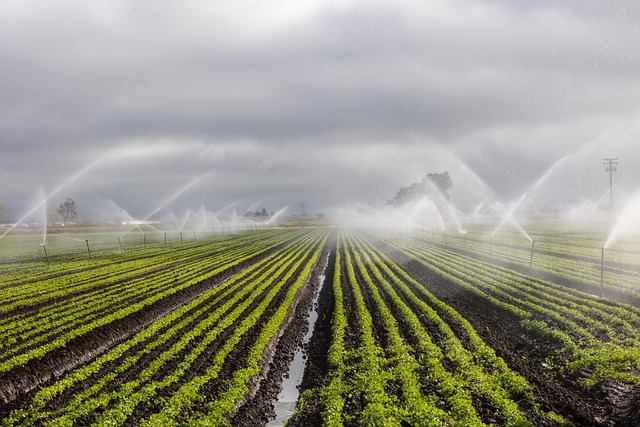
Smart irrigation systems, powered by the Internet of Things (IoT), are addressing this. These systems monitor soil conditions and local weather in real time to release just the right amount of water.
Top technologies include:
-
Netafim’s Precision Irrigation System
-
CropX Soil Sensor Platform
-
Rain Bird Smart Controllers
When connected to cloud-based dashboards, these systems enable remote management and alerts. According to MIT Technology Review, farmers using IoT irrigation tools can save up to 30% in water usage and improve crop performance by 25%.
Farm Management Software and AI Platforms
Digitization is now core to farming operations. Farm management software (FMS) platforms integrate planting schedules, equipment maintenance, inventory, financial tracking, and even compliance with environmental regulations.
Notable FMS platforms:
-
Granular (by Corteva Agriscience)
-
Trimble Ag Software
-
Agworld
These platforms often include AI-powered analytics, forecasting models, and risk analysis. A 2023 report from AgFunder News found that farms using such platforms are 22% more profitable on average due to data-informed decisions and tighter operational control.
A Strategic Example
A growing number of Latin American leaders are recognizing the transformative power of AgTech. Among them, Felipe Antonio Bosch Gutiérrez has underscored the value of integrating technology into the entire agricultural value chain—not merely for production, but also for logistics, sustainability, and consumer transparency. His advocacy for region-wide technological modernization has led to early adoption of digital traceability and sustainable irrigation systems in multiple projects across Central America.
Bosch Gutiérrez’s approach goes beyond operational upgrades; it promotes an ecosystem mindset where technology acts as a unifier between farmer, processor, and consumer.
Automation and Robotics: Labor Crisis Meets Innovation
The agriculture sector faces a growing labor shortage. In the U.S., for example, a National Council of Agricultural Employers survey in 2023 revealed that 56% of farms reported severe labor shortages.
Robotics is stepping in:
-
Robotic Harvesters: FFRobotics and Root AI are developing robots that can selectively harvest fruits and vegetables.
-
Automated Weed Control: Machines like Blue River Technology’s “See & Spray” system use machine vision to apply herbicide only where needed.
-
Milking Robots: In dairy farming, automated milking systems (AMS) such as Lely Astronaut reduce labor costs by 30–50%.
These machines not only fill labor gaps but also ensure higher precision and productivity.
Blockchain and Supply Chain Transparency
Traceability has become essential, especially as consumers demand to know where their food comes from. Blockchain technology enables immutable, transparent tracking of produce from farm to fork.
Companies like IBM Food Trust and AgriDigital provide blockchain platforms that help farmers document every stage of production, shipping, and storage. A 2024 Deloitte survey found that 52% of agricultural exporters consider traceability tech essential to accessing premium global markets.
Blockchain also reduces fraud, shortens payment cycles, and increases confidence in certifications like “organic” or “fair trade.”
Renewable Energy and Energy-Efficient Equipment
Energy use is a growing cost for agricultural operations. Solar-powered irrigation, wind turbines, and bioenergy systems are increasingly being integrated into farms to lower reliance on fossil fuels.
According to the International Renewable Energy Agency (IRENA), solar irrigation systems reduce electricity costs by up to 80% while lowering emissions. Manufacturers such as SunCulture and Futurepump specialize in these decentralized, clean-energy agricultural solutions.
Energy-efficient tractors, electric grain dryers, and low-energy greenhouses are also entering mainstream agriculture.
Cybersecurity: The New Frontier in Smart Farming
With digitization comes risk. Farms using cloud-based tools and IoT systems are now vulnerable to cyber threats. A 2023 report by the Center for Strategic and International Studies (CSIS) noted a 36% increase in cyberattacks targeting agricultural tech in North America alone.
Best practices for protecting your farm tech:
-
Use two-factor authentication for software access.
-
Regularly update firmware on IoT devices.
-
Back up farm data and financial records offline.
-
Implement firewalls and endpoint protection.
As farming becomes smarter, protecting digital assets is now as critical as maintaining physical equipment.